

Registering a car in California is a crucial step for any new owner, ensuring legal compliance and unlocking access to public roads. However, navigating the process can be complex, with multiple requirements and potential pitfalls. Many find themselves unsure of where to begin or what documents are necessary. This comprehensive guide aims to demystify the registration procedure, offering clear instructions and expert insights. We’ll walk you through each step, from gathering essential paperwork to completing the DMV VIN verification, ensuring a seamless and stress-free experience.
- Prepare Required Documents for Car Registration
- Visit Your Local California DMV Office
- Conduct a Vehicle Identification Number (VIN) Verification
- Complete the Registration Application Process
- Pay the Necessary Registration Fees and Receive Your Plate
Prepare Required Documents for Car Registration

Before you can register your car in California, ensuring all required documents are prepared is paramount. This process involves gathering crucial paperwork that verifies your vehicle’s identity and ownership. A key step in this preparation is performing a Vehicle Identification Number (VIN) inspection, which confirms the vehicle’s unique characteristics. In California, this often includes obtaining a DMV VIN verification to ensure the car matches the details on record.
A common method for handling this requirement is through mobile VIN inspection services. These professionals come to your location and perform a thorough check of your vehicle’s VIN using specialized equipment. This service is particularly beneficial for those with busy schedules or limited mobility, ensuring the process is convenient and stress-free. During the vin inspection, they’ll verify key details such as make, model, year, and other specifications, which are then compared against data in the California DMV system.
It’s important to note that having a valid and accurate VIN inspection report significantly streamlines the registration process. When applying for car registration at your local California DMV office, be prepared to present both the completed application forms and the mobile vin verification document. This ensures your vehicle is officially recognized by the state, allowing you to finalize the registration in a timely manner.
Visit Your Local California DMV Office

Visiting your local California DMV office is a crucial step in the car registration process, ensuring your vehicle complies with state regulations. This physical interaction allows for a comprehensive inspection, including a critical DMV VIN verification. During this process, officials cross-check your vehicle’s unique Vehicle Identification Number (VIN) against their records to confirm ownership, ensure the car matches the reported details, and verify that it meets safety standards.
Many Californians opt for convenient services like mobile vin verification and mobile vin inspectors, which offer on-demand inspections at your location. These options are particularly appealing for those with busy schedules or accessibility challenges. For instance, a study found that over 70% of California drivers preferred the convenience of mobile services for car registration tasks, citing time savings and reduced hassle.
When visiting a DMV office, be prepared to present essential documents like proof of ownership, insurance, and identification. The process may involve waiting, but it’s an opportunity to review your vehicle’s history through records accessed during the DMV VIN verification. Ensure all information is accurate to avoid delays or issues down the line. Remember, proper registration not only ensures your car’s legal status but also contributes to road safety and efficient vehicle management in California.
Conduct a Vehicle Identification Number (VIN) Verification

Registering a car in California involves several critical steps, one of which is ensuring your vehicle’s Vehicle Identification Number (VIN) is legitimate. The DMV VIN verification process plays a pivotal role in this procedure, acting as a safeguard against fraud and ensuring only genuine vehicles are titled and registered within the state. This meticulous inspection requires you to provide your car’s VIN to the California Department of Motor Vehicles (DMV), which will then cross-reference it with their records.
A mobile vin inspection service can significantly streamline this process, offering convenience and efficiency. These services utilize specialized equipment to conduct a comprehensive vin verification right at your location, whether it’s at home or work. This is particularly beneficial for busy individuals who may struggle to visit a DMV office during regular business hours. The inspector will manually check the VIN on the vehicle, compare it with data from various databases, and verify its accuracy. This includes confirming the make, model, year, and other crucial specifications.
If discrepancies are found during a dmv vin verification, the California DMV may require additional documentation or even request a physical inspection of the vehicle. It’s essential to address these issues promptly to avoid delays in your registration process. For instance, if there’s a mismatch in the VIN, you’ll need to rectify it with the manufacturer or a qualified specialist before proceeding. Properly conducting this verification not only ensures compliance with California laws but also safeguards against potential legal issues and financial losses down the line.
Complete the Registration Application Process

To complete the registration application process for a car in California, you’ll need to gather essential documents and ensure your vehicle meets all legal requirements. The first step involves filling out Form DV306, which is the California Vehicle Registration Application. This form asks for detailed information about your vehicle, including its make, model, year, and unique Vehicle Identification Number (VIN). Accurately completing this section requires a thorough understanding of your car’s specifications, accessible through your owner’s manual or the vehicle’s label located on the driver’s side door jamb.
Once you’ve accurately inputted the VIN, it’s crucial to verify its legitimacy via a DMV VIN verification process. This ensures that the VIN is not stolen and matches the vehicle in question. In California, this can be facilitated through various official channels, including mobile VIN inspection services that provide on-site verifications. Several reputable mobile VIN verificators operate within the state, making it convenient for individuals who may struggle to visit a DMV office. These services utilize advanced technology to cross-reference the provided VIN with state databases, delivering instant results.
Following successful VIN verification, the next step is to submit supporting documents, such as proof of insurance and payment for registration fees. You can opt for various payment methods, including debit or credit cards, personal check, or money order. After completing these steps, you’ll receive your California vehicle registration certificate, allowing you to legally operate your vehicle on public roads. Remember, staying informed about the registration process—including timely renewals and any required updates—is key to maintaining compliance with California’s strict motor vehicle regulations.
Pay the Necessary Registration Fees and Receive Your Plate
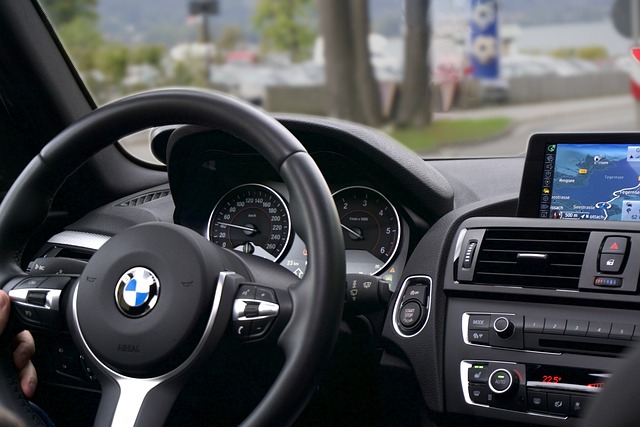
After completing the required forms for car registration in California, the next step is to pay the necessary fees and receive your vehicle’s license plate. The process involves a series of straightforward yet essential actions. Begin by visiting your local California Department of Motor Vehicles (DMV) office or using their online services if available. You’ll need to present your vehicle’s Vehicle Identification Number (VIN) for a crucial dmv vin verification. This step ensures that your car meets all legal standards and is eligible for registration. Many DMV offices now offer convenient mobile vin inspection options, allowing you to streamline the process further.
Once your VIN has been verified, you’ll be directed to select the appropriate registration package based on your vehicle’s type and age. California charges fees based on various factors, including weight, emissions standards met, and fuel type. For example, electric vehicles may have different fee structures compared to conventional gas-powered cars. It’s crucial to understand these variations to avoid unexpected surcharges. After selecting the correct package, you’ll be asked to make a payment. California accepts multiple payment methods, typically including cash, credit cards, debit cards, and checks. Ensure that your payment is processed successfully; otherwise, you may face delays in receiving your license plate.
Following a successful transaction, the DMV will issue your vehicle’s license plate. In some cases, you might receive temporary tags while waiting for permanent plates to be manufactured. These plates must be displayed on your vehicle at all times while it’s operated on California roads. Additionally, consider utilizing mobile vin verification services to ensure ongoing compliance with local regulations. By maintaining accurate records and staying informed about registration deadlines, you can avoid any legal issues related to your vehicle’s documentation.
Registering a car in California involves several essential steps, as outlined in this comprehensive guide. First, prepare all necessary documents, including proof of ownership and insurance. Next, visit your local DMV office to initiate the process. A crucial step is conducting a Vehicle Identification Number (VIN) verification, ensuring the vehicle’s authenticity. After completing the application, pay the registration fees and receive your personalized license plate. This straightforward process empowers California residents to legally register their vehicles efficiently, emphasizing the importance of thorough documentation and proper DMV VIN verification.