

Looking to register your car in California? This comprehensive guide will walk you through the process, from understanding key requirements to gathering essential documents. We’ll explore two convenient options: visiting a DMV office or using their online system. By following these steps and utilizing tools like a DMV VIN verifier, you’ll be on your way to securing your vehicle’s registration smoothly and efficiently.
- Understand the Requirements for Car Registration in California
- Gather Necessary Documents for Car Registration
- Visit a California DMV Office or Use the DMV Online System
- Complete the Vehicle Registration Application Form
- Pay the Required Fees and Receive Your Registration Certificate
Understand the Requirements for Car Registration in California

Before diving into the registration process, it’s crucial to understand the requirements for car registration in California. The California Department of Motor Vehicles (DMV) oversees this process and has specific criteria that vehicle owners must meet. One essential step is ensuring your car passes a vehicle safety inspection. This involves verifying that all essential systems, including brakes, lights, and emissions controls, are functioning correctly.
A reliable method to accomplish this is through a mobile VIN verifier, which allows for on-site inspections. By using a service that provides mobile VIN verification or even a mobile VIN inspection, you can streamline the process. The DMV’s system relies on accurate vehicle identification numbers (VIN), so having a reliable tool to check and confirm your car’s VIN is critical during registration.
Gather Necessary Documents for Car Registration

Before heading to the California DMV for car registration, it’s essential to gather all the necessary documents. This process begins with verifying your vehicle’s unique identifier—the Vehicle Identification Number (VIN). Utilize a DMV VIN verifier or a mobile vin inspection tool to confirm the VIN’s accuracy and ensure there are no discrepancies.
Along with the VIN verification, you’ll need key documents like the title of ownership, which proves legal possession, and proof of insurance, demonstrating your financial responsibility in case of an accident. Additionally, a valid driver’s license and proof of residency, such as a utility bill or bank statement, are required to complete your registration process smoothly.
Visit a California DMV Office or Use the DMV Online System
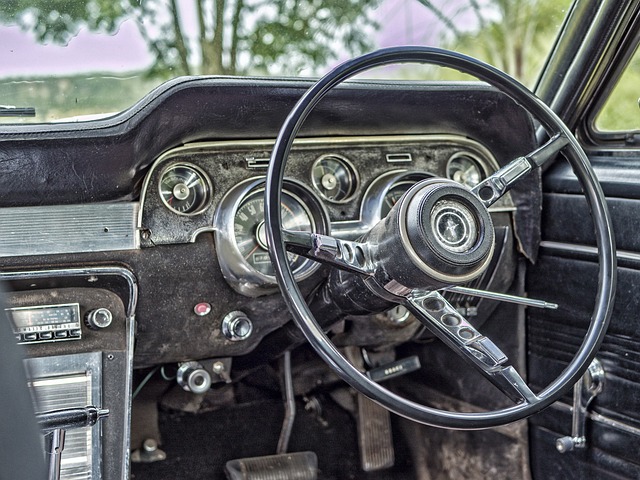
When preparing to register your car in California, one of the initial steps is to verify your Vehicle Identification Number (VIN). You can complete this crucial process in two convenient ways: by visiting a local California Department of Motor Vehicles (DMV) office or utilizing the DMV’s online system. If you choose the former, locate a nearby DMV branch and bring all necessary documents, including proof of ownership, insurance, and identification. Alternatively, the online option allows you to input your VIN through the DMV’s digital platform and complete the registration process remotely.
Using a trusted DMV vin verifier like the one offered by the California DMV is essential for ensuring accuracy and saving time. This service enables you to cross-reference your VIN with official records, confirming vehicle history and identifying any potential issues before proceeding with registration. Consider opting for a mobile vin inspection if convenience is key, as this allows you to verify your VIN from the comfort of your home or on the go.
Complete the Vehicle Registration Application Form

To begin the registration process in California, you’ll need to complete and submit the Vehicle Registration Application Form (DMV Form SR-175). This form is essential for providing detailed information about your vehicle, including its make, model, year, and unique identifier—the Vehicle Identification Number (VIN). Accurate VIN entry is crucial as it allows the DMV to verify ownership and access a vehicle’s history, which includes past accidents or outstanding issues.
Using a reliable mobile VIN verifier can streamline this step by providing instant, accurate data on your car’s history. This service offers a convenient way to ensure all information in the form matches the vehicle’s records, saving you time and potential complications during registration. Additionally, having a clear understanding of your vehicle’s history through a thorough vin inspection is vital for a successful registration process.
Pay the Required Fees and Receive Your Registration Certificate

After completing your vehicle’s inspection, it’s time to pay the required fees and receive your registration certificate. The California Department of Motor Vehicles (DMV) will review your application and documents, ensuring everything is in order. One crucial step in this process involves utilizing a DMV vin verifier to confirm the authenticity of your vehicle’s identification number (VIN). This ensures that your car matches the details provided on the title and other paperwork.
Once your VIN inspection is complete and all fees are paid, including any additional costs for late registration or additional services, you’ll be issued a registration certificate. Keep this document secure as it serves as legal proof of your vehicle’s registration in California. Ensure that your vehicle is legally registered to avoid fines and penalties.
Registering your car in California is a straightforward process that requires understanding the state’s requirements, gathering essential documents, and either visiting a DMV office or utilizing their online system. By completing the vehicle registration application form accurately and paying the necessary fees, you’ll receive your registration certificate, ensuring your vehicle complies with California’s regulations. Remember to use services like a dmv VIN verifier for a smooth and efficient registration experience.