

Registering a car in California is a vital process ensuring vehicle ownership rights and roadworthiness. However, navigating the paperwork and regulations can be daunting for new owners. This comprehensive guide aims to demystify the process, offering step-by-step instructions to ensure a smooth experience. From gathering essential documents to understanding fees and requirements, we’ll cover it all. Moreover, we’ll emphasize the critical role of Vehicle Identification Number (VIN) verification in preventing fraud and ensuring vehicle authenticity. By the end, you’ll be equipped with the knowledge to register your car confidently.
- Understanding California Car Registration Requirements
- Gathering Necessary Documents for Registration
- Locating Your Vehicle's VIN (Vehicle Identification Number)
- Submitting Applications and Paying Fees
- Completing Vehicle Inspection and Registration Renewal
Understanding California Car Registration Requirements

Registering a car in California involves more than just filling out paperwork; it’s a process that demands meticulous attention to detail and adherence to stringent state regulations. Understanding California car registration requirements is paramount for both new vehicle owners and those transferring ownership. The state employs several measures, including rigorous VIN verification processes, to ensure the accuracy of vehicle information and prevent fraud.
A key component in this process is the Vehicle Identification Number (VIN) inspection. Every vehicle registered in California must undergo a thorough VIN inspection to verify its authenticity and history. This involves checking the VIN against various databases to confirm manufacturing details, previous ownership records, and any reported incidents like theft or damage. A legitimate VIN inspection can be conducted through authorized service centers or using mobile VIN verification tools that provide instant access to detailed vehicle reports, enhancing convenience and accuracy.
For instance, a recent study by the California Department of Motor Vehicles (DMV) revealed that over 10% of vehicles inspected had discrepancies in their records, underscoring the importance of meticulous VIN verification. To streamline this process, mobile VIN verifiers have emerged as valuable assets. These portable devices allow DMV agents and owners alike to instantly validate a vehicle’s VIN information, including its unique manufacturing specifications and any associated recalls or safety issues. By leveraging mobile VIN verification technologies, California can continue to enhance the integrity of its registration system while ensuring consumer safety.
Gathering Necessary Documents for Registration

Before you can register your car in California, gathering the necessary documents is a crucial step in the process. This includes proof of ownership, vehicle identification number (VIN) verification, insurance information, and identification for both you and the previous owner. It’s important to ensure that all documents are up-to-date and accurate, as this can save you time and potential headaches later on. One efficient way to facilitate this process is by utilizing a mobile VIN verifier or mobile VIN inspection service. These services allow for remote verification of your vehicle’s history and VIN, ensuring that the data matches what’s required by the California Department of Motor Vehicles (DMV).
For instance, a mobile VIN inspection can check for any brand of odometer fraud or hidden damage reports, providing you with peace of mind. In California, where vehicles are frequently bought and sold, this level of due diligence is not just recommended but often necessary. Furthermore, the DMV encourages using digital copies of documents to streamline the registration process, reducing potential errors caused by illegible handwriting or missing information.
It’s worth noting that specific requirements may vary depending on your vehicle’s age and type. For example, classic cars or vehicles over a certain age might need additional documentation or inspections. Always double-check with the DMV before proceeding to ensure a smooth registration experience.
Locating Your Vehicle's VIN (Vehicle Identification Number)
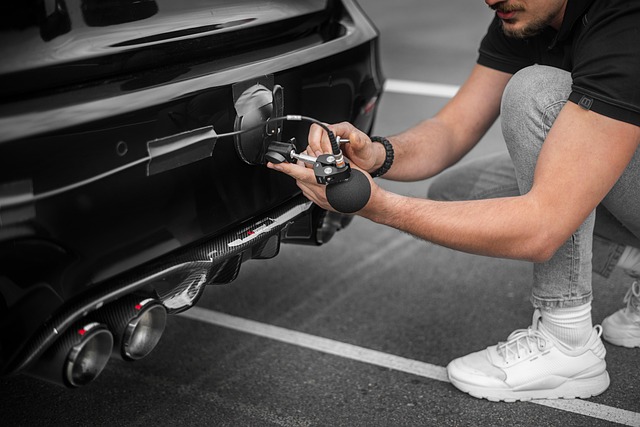
Locating your vehicle’s Vehicle Identification Number (VIN) is a crucial step in the car registration process in California. The VIN is a unique code that identifies your vehicle, and it’s essential for accurate and efficient registration. This number can be found in several places on your car, making it easily accessible for verification. A common location is on the driver-side door frame, where you’ll find it etched or stamped on a metal plate. Some vehicles may also display the VIN on the engine block or within the glove compartment.
For those who prefer a more convenient approach, mobile VIN inspection and verification services are now available. These services allow you to get your VIN checked without having to visit a dealership or vehicle history center. A simple online search for “mobile VIN inspection California” will provide you with options to have this service performed at your convenience, ensuring peace of mind before proceeding with registration. It’s recommended to verify the legitimacy of any mobile service provider to ensure a genuine and reliable service.
While most vehicles have their VIN clearly displayed, there are instances where it might be obscured or inaccessible without disassembling parts of the vehicle. In such cases, it’s advisable to seek professional assistance or refer to your vehicle’s owner manual for guidance. Additionally, keeping a digital record of your VIN, along with other important vehicle details, is a smart practice. This can be done by taking a photo of the VIN plate and storing it in a secure digital folder dedicated to your car’s maintenance and registration records.
Remember, accurate VIN verification is a critical aspect of ensuring a smooth car registration process. It helps prevent errors and provides an additional layer of protection against potential fraud. Whether you’re doing it yourself or utilizing mobile services, taking the time to confirm your vehicle’s unique identifier will make navigating California’s registration requirements much easier.
Submitting Applications and Paying Fees

Registering a car in California involves several crucial steps, with submitting applications and paying fees being a critical phase. After gathering essential documents, including proof of ownership, identification, and insurance, you’ll need to complete the application process through the California Department of Motor Vehicles (DMV). This typically entails filling out Form DV-140, which serves as your vehicle registration and title application. Once this is prepared, it’s time to submit it along with the necessary fees.
The California DMV offers several convenient options for fee payment. You can pay online through their secure portal, providing a fast and efficient method. Alternatively, you may mail in your application and fees or visit a local DMV office to process the registration in person. It’s important to ensure accuracy during this stage, as errors or missing information can delay your vehicle’s registration. To streamline this process, consider using a mobile VIN verification service, which enables you to quickly validate your vehicle’s unique identifier (VIN) for any discrepancies. This step is particularly beneficial, as California law requires accurate VIN data for all registered vehicles, facilitating efficient and legitimate registration.
When paying fees, be prepared to cover the standard registration cost, which includes various taxes and surcharges. These fees vary based on factors like vehicle type, age, and emissions standards. For instance, electric vehicles may have different fee structures compared to traditional gas-powered cars. Properly managing these fees ensures your vehicle remains legally registered, avoiding potential penalties for late or overlooked payments. Remember, accurate VIN inspection through mobile verifiers can help prevent costly mistakes during the registration process.
Completing Vehicle Inspection and Registration Renewal

Registering a car in California involves several crucial steps, one of which is completing the vehicle inspection and registration renewal process. This ensures that your vehicle meets safety and environmental standards set by the state. The process begins with a thorough inspection that includes verification of your Vehicle Identification Number (VIN). In California, you can utilize a mobile VIN verifier to streamline this step, making it more convenient for both residents and non-residents.
To start, gather all necessary documents, including proof of ownership, insurance, and identification. The state requires a safety inspection that checks critical components like brakes, lights, tires, and emissions systems. For vehicles older than five years, an environmental inspection is also mandatory. These inspections can be conducted at certified repair facilities or through mobile VIN verification services. Mobile inspectors bring the necessary equipment to your location, ensuring a hassle-free experience regardless of where you are in California.
Once your vehicle passes both inspections, it’s time to renew your registration. You can do this online, by mail, or in person at a California Department of Motor Vehicles (DMV) office. When renewing online, ensure that all information is accurate and up-to-date, including your address and vehicle details. If you used a mobile VIN verifier, the verification report can serve as proof of inspection during the registration process. This digital documentation not only saves time but also reduces potential errors, making it an increasingly popular choice among California drivers.
By following these comprehensive steps outlined in this article—from understanding California’s car registration requirements to completing VIN verification and renewing registration—you can ensure your vehicle is legally registered and roadworthy. Gathering and organizing necessary documents, locating your Vehicle Identification Number (VIN), submitting applications, and paying fees accurately are crucial first steps. Subsequently, undergoing vehicle inspections confirms your car meets safety standards, while proper renewal ensures uninterrupted use on California’s roads. Armed with this knowledge, you’re well-prepared to navigate the registration process efficiently and securely.