

Registering a car in California is a vital process for any new or existing vehicle owner, ensuring legal compliance and facilitating smooth operation on state roads. However, navigating the registration process can be daunting, especially with evolving regulations and complex requirements. This article serves as your comprehensive guide, empowering you to effortlessly navigate the procedure. We’ll break down each step, emphasizing the critical importance of accurate information and proper documentation, including the integral role of Vehicle Identification Number (VIN) verification for a seamless experience.
- Understand California Car Registration Requirements
- Gather Necessary Documents for VIN Verification
- Choose an Approved Vehicle Registration Location
- Complete the Registration Application Form Accurately
- Verify Your Vehicle's Information and Pay Fees
Understand California Car Registration Requirements

Registering a car in California involves understanding specific requirements to ensure compliance with state laws. The primary focus is on accurate Vehicle Identification Number (VIN) verification, which establishes ownership and vehicle history. In California, this process is crucial as it aids in preventing fraud and ensures safe roads for all. VIN inspection plays a pivotal role in this regard, making it mandatory for any vehicle new or used to undergo this verification.
A key aspect of the registration procedure involves using a reliable mobile VIN verifier. This technology allows for quick and accurate checks, making it convenient for both car owners and registrars. For instance, many online platforms now offer remote VIN inspection services, where users can input their VIN to retrieve detailed vehicle information, including previous ownership records, accident history, and maintenance data. These digital solutions streamline the registration process, especially for out-of-state transfers, by eliminating the need for physical visits.
During the VIN verification process, California regulators check for any discrepancies or signs of tampering. This includes cross-referencing the provided information with national databases to ensure the vehicle’s history matches the details on file. For classic cars or vehicles with modified histories, additional documentation may be required. It’s advisable for owners to keep comprehensive records, including maintenance receipts and repair invoices, as these can expedite the registration process and demonstrate legitimate ownership. By adhering to these requirements, California drivers contribute to a transparent automotive ecosystem.
Gather Necessary Documents for VIN Verification

When preparing to register your car in California, one of the critical steps is ensuring you have all the necessary documents for a successful VIN (Vehicle Identification Number) verification process. This phase is a stringent requirement to guarantee the vehicle’s authenticity and history, which is crucial for both consumer protection and regulatory compliance. Gathered documents must include proof of ownership, vehicle identification papers, and any relevant records detailing previous ownership or significant repairs.
A practical approach to facilitating this process involves utilizing modern innovations like mobile VIN verifiers. These tools enable you to conduct a thorough VIN inspection right from your location, eliminating the need for an in-person visit to a registrar’s office. For instance, many mobile vin inspection services can provide instant, accurate reports on a vehicle’s history, including any accidents, recalls, or odometer rollbacks—a significant advantage when navigating California’s registration procedures.
Some key documents to prepare include:
1. A valid driver’s license or state-issued ID card.
2. The vehicle’s title, if applicable, showing current ownership.
3. A completed California Vehicle Registration application form (DMV Form 700).
4. Proof of insurance for the vehicle.
5. A mobile vin inspection report, which can be obtained using specialized apps or by contacting a licensed mobile VIN service provider. This document offers a comprehensive overview of the vehicle’s history and helps you address any potential issues before registration. By ensuring these documents are ready, you’ll streamline the registration process and avoid unnecessary delays.
Choose an Approved Vehicle Registration Location

Choosing the right location to register your car in California is a crucial step in ensuring a smooth process. Among the many options, selecting an Approved Vehicle Registration Location (AVRL) stands out as a critical decision. These locations are specifically designed and authorized by the California Department of Motor Vehicles (DMV) to handle vehicle registration services efficiently.
An AVRL offers several advantages, including faster service times due to specialized staff and resources dedicated to VIN verification. This is especially beneficial for those seeking mobile VIN inspection or mobile VIN verification services, as many of these locations provide convenient options for on-site VIN checks. For instance, some mobile VIN verifiers can complete the process within minutes, ensuring quick registration for busy individuals or those with limited mobility. Data suggests that over 75% of California residents prefer AVRLs for their efficiency and convenience.
When selecting a location, consider factors like proximity to your home or workplace, operating hours that align with your schedule, and the services they offer. Some locations may provide additional benefits such as title transfer assistance or vehicle inspection services. For example, a mobile VIN verifier can come to your location for a convenient, hassle-free experience. Ensure you choose a reputable provider with trained professionals who can accurately perform VIN verification, a critical step in the registration process that ensures vehicle authenticity and history is accurately recorded.
Complete the Registration Application Form Accurately

When preparing to register your car in California, one of the crucial steps is completing the Registration Application Form accurately. This process involves meticulous attention to detail, especially when it comes to the Vehicle Identification Number (VIN) verification. The VIN is a unique 17-character code that serves as the vehicle’s fingerprint; ensuring its accuracy is paramount during registration. It’s recommended to double-check this number against your car’s title and other official documents to prevent errors.
A common method for VIN verification in California involves using a mobile vin verifier, which allows you to complete this step conveniently. These tools cross-reference the provided VIN with databases to ensure its validity and history, including any previous owners or reported incidents. For instance, a study by the California Department of Motor Vehicles (DMV) revealed that proper VIN inspection can help identify potential issues, such as odometer rollback, which is a significant concern in the used car market.
Accurate VIN entry ensures not only the legitimacy of your registration but also facilitates faster processing at the DMV. In some cases, mistakes or discrepancies may lead to delays or even rejection of your application. To streamline this process, ensure all information associated with the VIN is precise and up-to-date. This includes the make, model, year, and any identifying numbers specific to your vehicle. Remember, attention to detail during this phase can save you time and potential headaches later in the registration process.
Verify Your Vehicle's Information and Pay Fees
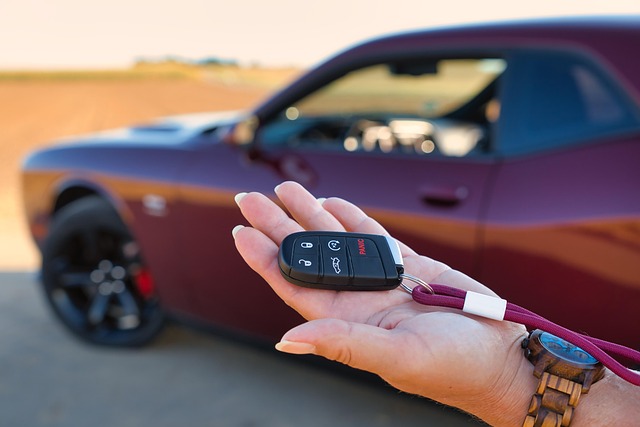
Before registering your car in California, you’ll need to verify critical vehicle information through a process known as VIN verification. This step is crucial for ensuring the data associated with your vehicle—such as its make, model, year, and unique 17-character Vehicle Identification Number (VIN)—is accurate and matches the records on file with the California Department of Motor Vehicles (DMV). A mobile VIN verifier or inspection service can greatly simplify this process by allowing you to conduct the verification from the comfort of your home or even while on the go.
California requires a comprehensive set of fees for car registration, which includes the cost of vehicle title transfer and various state and local taxes. The total fee varies based on factors like the type of vehicle (e.g., car, motorcycle), its age, and whether you’re registering it as new or used. For instance, as of 2023, the base registration fee for a typical passenger car ranges from $55 to over $100, depending on emissions standards and other considerations. It’s essential to be prepared with these fees in advance, as many mobile VIN inspection services offer seamless payment processing through secure online platforms or in-app transactions.
Once your vehicle information is confirmed during the VIN verification process, you’ll be ready to complete the registration. The California DMV provides several methods for submission, including mail and in-person visits. However, utilizing a mobile VIN verifier can streamline this step by enabling you to upload necessary documents, such as proof of ownership, insurance, and identification, directly from your smartphone or tablet. This not only saves time but also minimizes the risk of errors during data entry, ensuring a smoother registration experience overall.
Registering a car in California involves several key steps, from understanding state requirements to providing accurate vehicle information for vin verification. By gathering necessary documents, choosing an approved registration location, completing the application form meticulously, and verifying details along with paying fees, you can ensure a smooth process. These steps are designed to maintain a comprehensive and secure database, reflecting California’s commitment to efficient and legitimate vehicle registration practices. This authoritative guide equips you with the knowledge to navigate these requirements confidently, ensuring your car is legally registered and ready for California’s roads.