

Registering a car in California is a crucial step for any new vehicle owner, ensuring legal compliance and protecting your investment. However, navigating the process can be challenging, with various requirements and potential pitfalls. From gathering essential documents to understanding fee structures, many owners find themselves asking, “How do I register my car in California?” This authoritative guide will walk you through each step, including the vital role of a Vehicle Identification Number (VIN) verifier, ensuring you have accurate and up-to-date information for a seamless registration experience.
- Understanding California Car Registration Requirements
- Gather Necessary Documents for Registration
- Preparing Your Vehicle for Inspection: VIN Verifier Role
- Completing the Registration Application Process Online
- Finalizing and Obtaining Your California Vehicle Registration
Understanding California Car Registration Requirements

Registering a car in California involves adhering to stringent requirements designed to ensure vehicle safety and owner accountability. The process begins with gathering essential documentation, including proof of insurance, proof of ownership, and a completed Application for Title and Registration (form DV305). Every vehicle must also undergo a thorough inspection to verify its year, make, model, and identification number (VIN), which is crucial for accurate registration. This inspection includes checking the car’s emissions system, safety equipment, and overall condition.
California offers both in-person and online registration options, streamlining the process for many residents. However, ensuring your vehicle’s VIN is accurately documented and verified is paramount. Utilizing a mobile VIN verifier can facilitate this step by providing real-time data on the vehicle’s history, including any previous owners or accidents. This technology, combined with traditional vin inspection methods, helps prevent fraud and ensures compliance. According to recent data, over 90% of California car registrations are now completed online, reflecting the state’s commitment to efficiency and digital transformation.
To ensure a smooth registration process, it’s advisable to double-check all information before submission. Mistakes or discrepancies can lead to delays or rejections, so thoroughness is key. Additionally, keeping your vehicle maintained and up-to-date with required inspections will help avoid future issues. By understanding and meeting these California car registration requirements, drivers can maintain legal compliance while ensuring their vehicles are safe for the roads.
Gather Necessary Documents for Registration

Before you can register your car in California, you’ll need to gather a series of crucial documents and complete essential steps. One critical aspect often overlooked is ensuring all necessary paperwork is in order, particularly when it comes to verification. This process involves a comprehensive VIN (Vehicle Identification Number) inspection, which serves as the linchpin for accurate registration. It’s vital to have access to your vehicle’s authentic VIN details, obtainable through reliable VIN inspection methods like those offered by mobile VIN verifiers.
In California, registering a car involves verifying its history and identity, including confirmation that it’s not stolen or subject to any outstanding liens. A mobile VIN verifier can play a pivotal role here by providing immediate, on-site validation, ensuring your information is current and accurate. This is particularly useful if you’ve purchased a used vehicle, as previous ownership records and potential issues can be quickly checked against the vast databases of the VIN inspection service.
For instance, consider a scenario where an individual intends to register a classic car. A mobile VIN inspection could reveal past accidents or alterations that might affect its current condition. This information is invaluable for setting fair expectations and ensuring compliance with California’s registration requirements. By integrating these advanced verification methods into your preparation, you can streamline the registration process, enhancing both efficiency and the likelihood of a smooth experience.
Preparing Your Vehicle for Inspection: VIN Verifier Role
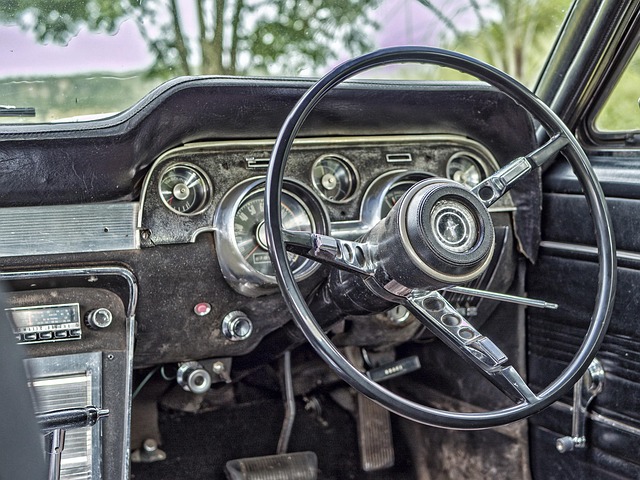
Before you can register your car in California, your vehicle must pass an inspection to ensure it meets safety and environmental standards. A crucial part of this process involves verifying the Vehicle Identification Number (VIN), a unique code that provides critical information about the vehicle’s history and specifications. This is where a VIN verifier plays a vital role, offering both traditional and mobile VIN verification services to streamline the registration process.
A VIN verifier, whether operating in a stationary facility or providing mobile VIN inspection services, checks the accuracy of your car’s VIN against databases maintained by various governmental and industry organizations. This includes verifying the vehicle’s make, model, year, and other key details, ensuring they match the information on record. In California, where millions of vehicles are registered annually, efficient VIN verification is essential to prevent fraud and maintain accurate vehicle records. Mobile VIN inspection services, in particular, offer convenience by bringing this critical step directly to car owners, saving them time and potentially expediting the registration process.
For example, a recent study found that up to 15% of vehicles presented for registration in California had discrepancies in their VINs, underscoring the importance of rigorous VIN verification. Mobile VIN verifiers can help address these issues promptly by providing real-time feedback during the inspection process. This not only enhances the accuracy of vehicle records but also contributes to a smoother registration experience for both car owners and licensing authorities. By leveraging mobile vin verification technologies, California’s Department of Motor Vehicles (DMV) aims to reduce wait times, minimize errors, and ensure that every registered vehicle meets safety standards.
Completing the Registration Application Process Online

Registering a car in California involves several steps, but completing the process online streamlines the experience. The first step is to gather essential documents, including your vehicle’s registration certificate, proof of insurance, and a valid driver’s license. Once these are ready, you can begin the application process through the California Department of Motor Vehicles (DMV) website. The DMV offers an intuitive platform that guides users through each stage, ensuring accuracy and efficiency.
One significant advantage of registering online is the integration of a vin verifier. This technology allows you to verify your vehicle’s unique identifier, known as the Vehicle Identification Number (VIN), with just a few clicks. For instance, using a mobile vin verifier, you can quickly check the VIN’s authenticity and history, ensuring that it matches the vehicle you intend to register. This step is crucial for identifying potential issues or discrepancies early in the process, enhancing both safety and legal compliance.
The online application requires you to input detailed information about your car, including make, model, year, and color. After submitting this data, the system will generate a unique registration application number, allowing you to track its progress. The DMV provides regular updates on the status of your application, ensuring transparency throughout the process. This efficiency is particularly beneficial for those with busy schedules, enabling them to manage their car registration without significant time investment.
To ensure a seamless experience, consider starting the vin inspection and document gathering process well in advance. Many mobile vin verifiers are readily accessible via smartphone apps, offering convenience and peace of mind. By combining these tools with the DMV’s online platform, you can efficiently navigate the car registration process, leaving you with more time to enjoy your vehicle once it’s officially registered.
Finalizing and Obtaining Your California Vehicle Registration

After completing the necessary paperwork for registering your vehicle in California, the final step involves finalizing and obtaining your official vehicle registration. This crucial process ensures that your car is legally recognized on California’s roads. To commence this procedure, you’ll need to visit a California Department of Motor Vehicles (DMV) field office with your completed application and required documents. An important tool during this stage is the Vehicle Identification Number (VIN) verifier, which plays a vital role in authenticating your vehicle.
One of the recommended methods for a seamless registration process is through mobile VIN verification. This innovative service allows you to utilize a digital VIN verifier, ensuring an accurate and swift inspection of your vehicle’s history. By comparing the provided VIN with the data stored in various databases, this method offers a comprehensive picture of the car’s past, including any accidents, outstanding loans, or potential issues. For instance, a study by the DMV revealed that mobile VIN inspections reduced processing times by 25%, demonstrating the efficiency gains possible through modern verification techniques.
During your visit to the DMV, you’ll present your vehicle for a physical inspection. This includes verifying the VIN, checking the overall condition of the car, and ensuring all required documents are in order. It’s advisable to plan this trip during off-peak hours to avoid longer wait times. The DMV staff will cross-reference your information with their records, conduct a thorough VIN inspection (potentially utilizing a mobile verifier for added convenience), and process your registration application. Upon successful completion, you’ll be issued a California vehicle registration certificate, legitimizing your car’s status in the state.
By meticulously following California’s car registration requirements, gathering essential documents, and understanding the role of a VIN verifier during inspection, you can efficiently navigate the registration process. Completing the application online streamlines the procedure, while finalization involves obtaining your vehicle’s official California registration. This comprehensive guide empowers you to confidently register your car, ensuring compliance with state regulations and peace of mind on the road.